选择价值超过200美元的产品可节省20%。




 January Birthstone
Shipping & Returns
Find retail locations
For orders above €100
For All Your Questions
 February Birthstone
Shipping & Returns
Find retail locations
For orders above €100
For All Your Questions
 March Birthstone
Shipping & Returns
Find retail locations
For orders above €100
For All Your Questions
 April Birthstone
Shipping & Returns
Find retail locations
For orders above €100
For All Your Questions
 May Birthstone
Shipping & Returns
Find retail locations
For orders above €100
For All Your Questions
 June Birthstone
Shipping & Returns
Find retail locations
For orders above €100
For All Your Questions
 July Birthstone
Shipping & Returns
Find retail locations
For orders above €100
For All Your Questions
 August Birthstone
Shipping & Returns
Find retail locations
For orders above €100
For All Your Questions
 September Birthstone
Shipping & Returns
Find retail locations
For orders above €100
For All Your Questions
 October Birthstone
Shipping & Returns
Find retail locations
For orders above €100
For All Your Questions
 November Birthstone
Shipping & Returns
Find retail locations
For orders above €100
For All Your Questions
 December Birthstone
Shipping & Returns
Find retail locations
For orders above €100
For All Your Questions
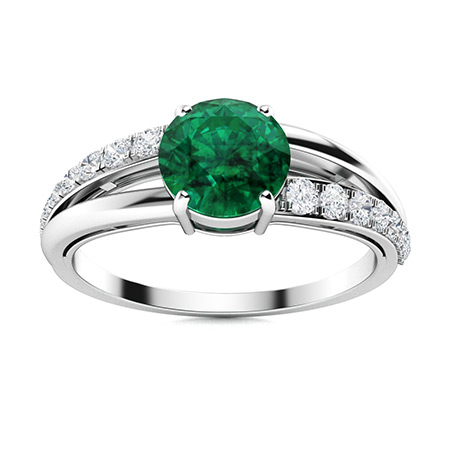
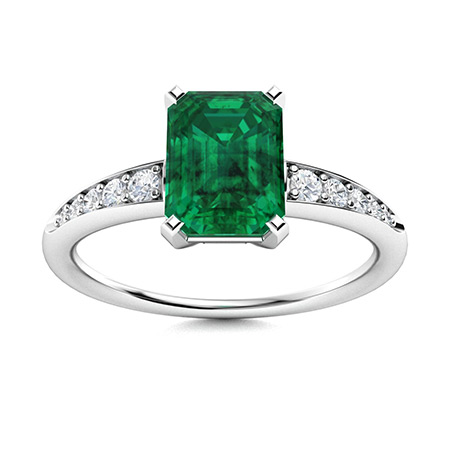
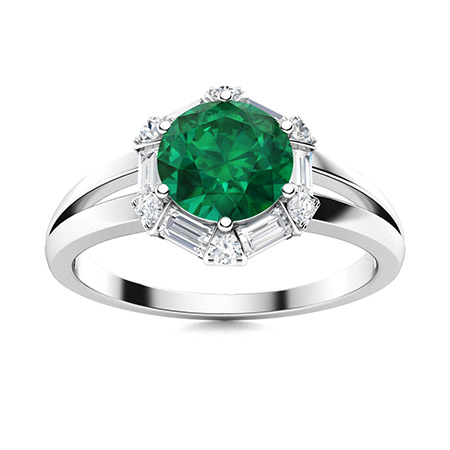
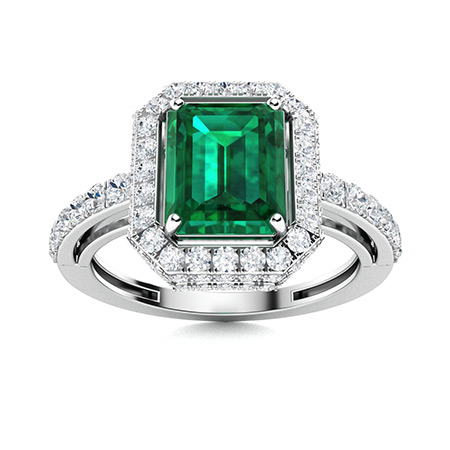
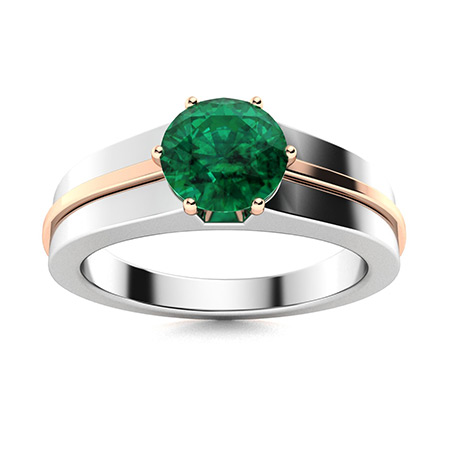
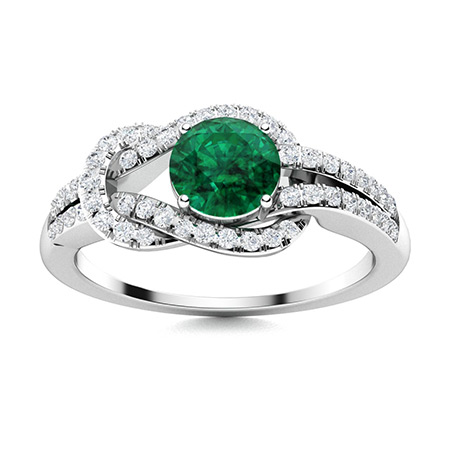
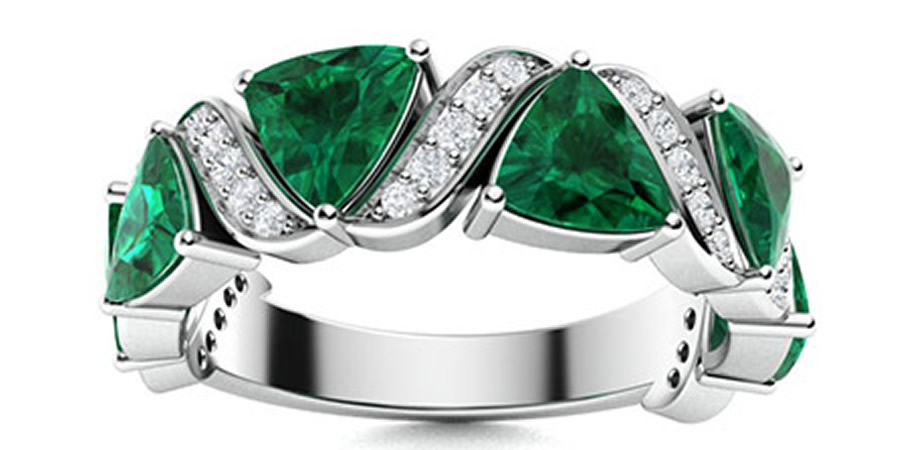
May Birthstone
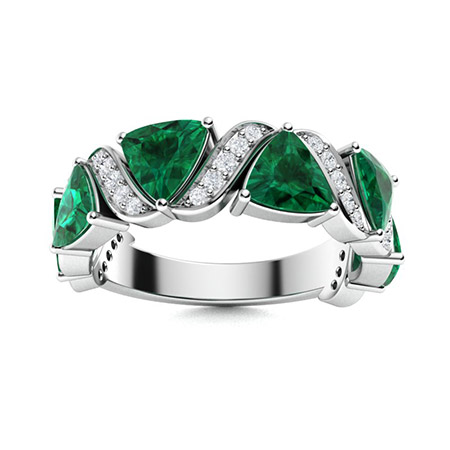
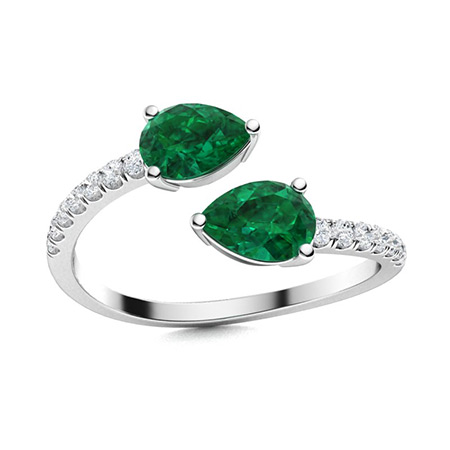
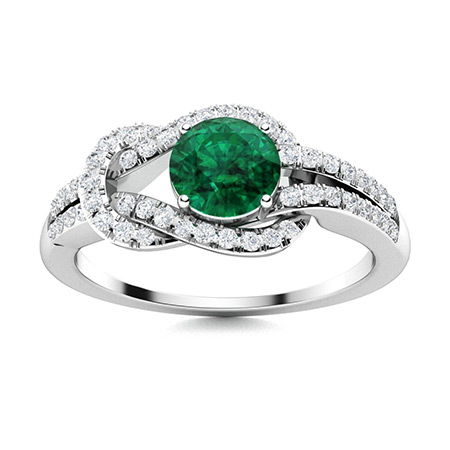
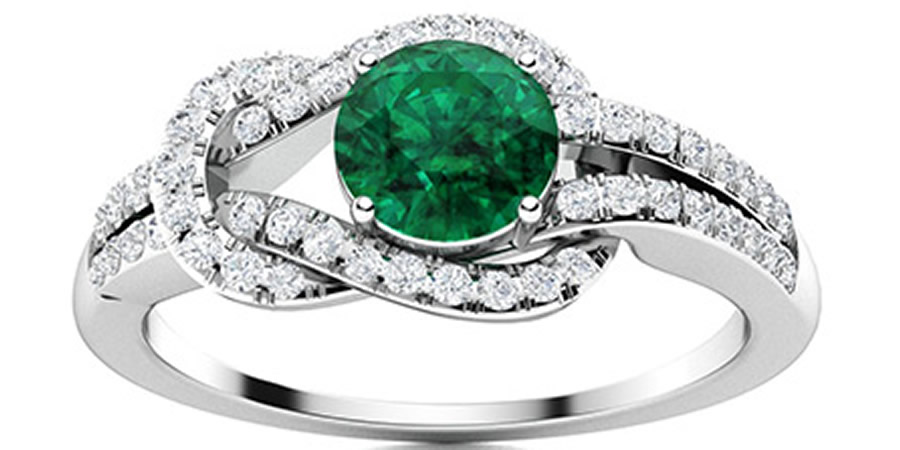
Emerald is the most legendary green gemstone in the beryl family. Its name derives from the Latin "Smaragdus," meaning "green gem." As one of the four most precious gemstones, it is renowned worldwide for its profound color, rarity, and cultural significance.
"Wharton Green" or "Muzo Green" from Colombia are considered the highest grades. High-quality gemstones over 5 carats can fetch tens of thousands of dollars per carat.
Natural emeralds commonly contain inclusions. GIA categorizes clarity into four levels: none, slightly oily (F1), medium oily (F2), and heavily oily (F3). Oil-free emeralds are extremely rare and highly valued.
Large gemstones (over 5 carats) are extremely scarce, and their price increases exponentially with carat weight.
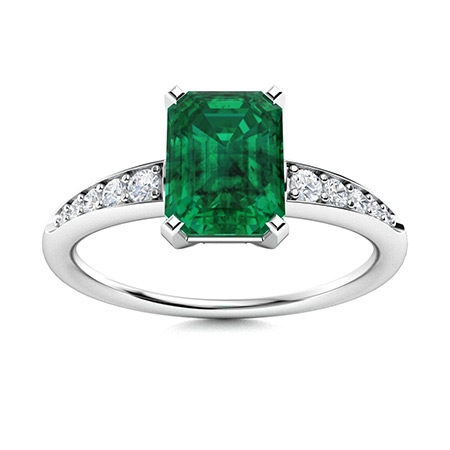
The emerald cut (step cut) best showcases color uniformity, while exotic cuts (such as the pear) have become increasingly popular in recent years.
No account yet?
Create an Account


 Earrings
 Men’s
Men’s Necklaces
 Rings
Rings Engagement Rings
 Wedding Rings
 Accessories