选择价值超过200美元的产品可节省20%。







June Birthstone: Pearl, Moonstone & Alexandrite – Gems of Grace and Mystery

June stands out among months for having three distinct birthstones—each capturing a different facet of the season’s charm: the timeless elegance of pearl, the ethereal glow of moonstone, and the chameleon-like allure of alexandrite. Together, they embody June’s spirit: summer’s gentle start, romantic energy, and a touch of whimsy. Let’s explore each gem’s unique story, symbolism, and why they’re beloved by those born in this month.
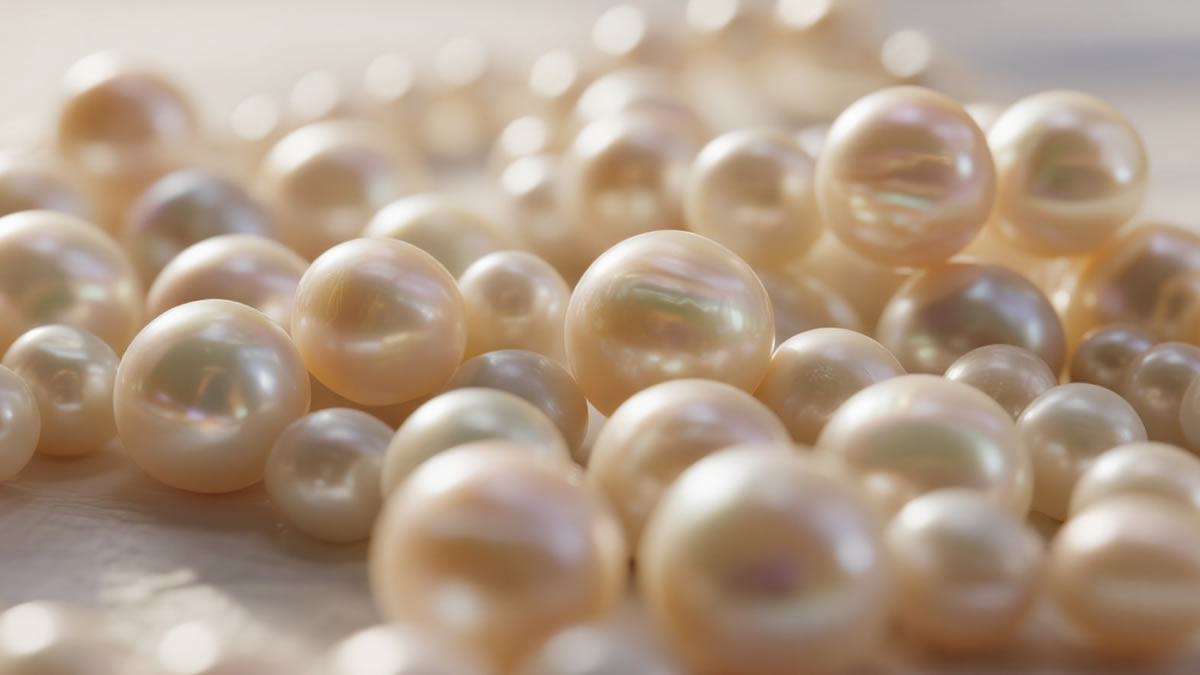
1. Pearl: The Organic Gem of Purity & Timeless Elegance
Unlike every other birthstone (which are mineral-based), pearls are organic gems—born from living creatures, making them a symbol of life and natural beauty.
Key Traits
- Formation: Pearls form inside mollusks (oysters or mussels) when the creature coats an irritant (like a grain of sand) with layers of nacre (a calcium carbonate substance). Natural pearls are extremely rare (found in less than 1 in 10,000 wild mollusks), while cultured pearls (human-aided by inserting a small bead into the mollusk) are the modern standard—equally lustrous and ethically produced.
- Varieties & Colors:
- Akoya Pearls: From Japan and China, known for classic round shapes and bright, “orient” luster (a soft iridescence). Colors range from white to cream with pink or silver overtones.
- South Sea Pearls: Grown in Australia, Indonesia, and the Philippines—larger (8–16mm) with warm hues: white, cream, or golden (the rarest and most valuable).
- Tahitian Pearls: From French Polynesia, famous for dark colors—black, gray, or peacock (with green/blue overtones).
- Freshwater Pearls: Mostly from China, versatile in shape (round, baroque, drop) and color (white, pink, lavender) at an accessible price.
- Hardness: A Mohs hardness of 2.5–4.5 (softer than most gems), requiring gentle care.
Symbolism & History
- Purity & Innocence: For millennia, pearls have been linked to purity—ancient Romans gave pearl jewelry to brides on their wedding days, a tradition that continues today.
- Royal Legacy: Cleopatra dissolved a pearl in wine and drank it to prove her wealth to Mark Antony. European queens (like Queen Elizabeth I) adorned themselves with pearl necklaces and crowns, solidifying pearls as a status symbol.
- Spiritual Meaning: In Hinduism, pearls represent the moon and emotional balance; in Buddhism, they symbolize enlightenment.
Buying & Care Tips
- What to Look For:
- Luster: The most important factor—high luster means sharp reflections (hold the pearl under light; a blurry reflection indicates low quality).
- Shape: Round pearls are most valuable, but baroque pearls are trending for their unique, organic look.
- Surface: Minor blemishes (like tiny spots) are normal; avoid pearls with large cracks or dull patches.
- Care:
- Avoid chemicals (perfume, hairspray, lotion)—nacre absorbs them, dulling luster.
- Remove pearls before swimming, cooking, or exercising (sweat can damage nacre).
- Clean gently with a soft, damp cloth after wear; never use ultrasonic cleaners.
- Store in a soft pouch or lined box (separate from other jewelry to prevent scratches).
Modern Trends
- Minimalist Styles: Dainty pearl studs, thin “coin pearl” necklaces, and stackable pearl rings add subtle elegance to casual outfits.
- Bold Mixes: Designers pair pearls with gold chains, enamel, or small gemstones (like diamonds or sapphires) for a contemporary edge—think pearl pendants with a tiny diamond accent.
- Sustainable Sourcing: Brands now highlight “eco-cultured pearls” from farms that use clean water, fair labor, and avoid overharvesting (e.g., Japan’s Mikimoto and China’s freshwater pearl co-ops).
Moonstone
2. Moonstone: The Ethereal Gem of Intuition & Lunar Magic
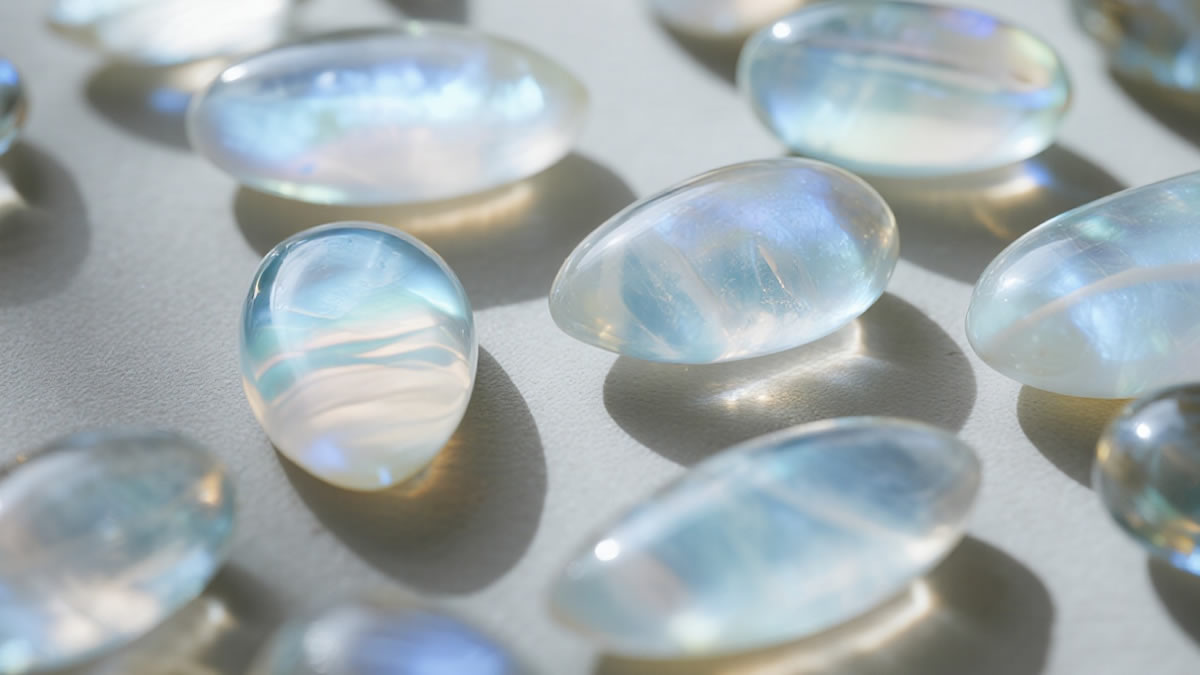
Moonstone’s claim to fame is its adularescence—a soft, glowing sheen that shifts like moonlight on water, earning it the nickname “stone of the moon.”
Key Traits
- Formation: A variety of feldspar (a common mineral), moonstone forms when two types of feldspar (orthoclase and albite) layer together. Light scatters between these layers to create its signature glow.
- Varieties:
- Blue Moonstone: The most prized—transparent with a vivid blue sheen (mostly from Sri Lanka).
- Rainbow Moonstone: Displays multicolored flashes (pink, yellow, blue) due to trace minerals (from India and Madagascar).
- White/Silver Moonstone: Milky white base with a soft silver glow (affordable and versatile, from Brazil and India).
- Hardness: Mohs 6–6.5 (moderately durable, but prone to chipping if dropped).
Symbolism & History
- Lunar Connection: Ancient Romans believed moonstone was solidified moonlight, gifted by the moon goddess Diana. They wore it to honor her and enhance intuition.
- Feminine Energy: In many cultures, moonstone is linked to feminine power—emotional balance, fertility, and new beginnings. It’s often called the “stone of new mothers” for its calming properties.
- Travel Protection: Medieval travelers carried moonstone to avoid accidents at night, believing it lit their path.
Buying & Care Tips
- What to Look For:
- Sheen: A bright, even glow (not patchy) is key—hold the stone at different angles to check if the sheen shifts smoothly.
- Clarity: Transparent to translucent stones are better; avoid opaque moonstone (dulls the sheen).
- Color: Blue sheen is most valuable, but rainbow moonstone is popular for its playfulness.
- Care:
- Avoid hard impacts (e.g., dropping on tile) and extreme heat (can fade the sheen).
- Clean with warm soapy water and a soft brush; avoid harsh chemicals.
- Store in a padded pouch to prevent scratches from harder gems (like diamonds).
Modern Trends
- Bohemian Styles: Moonstone pendants on leather cords, beaded moonstone bracelets, and statement rings with large rainbow moonstone cabochons fit the boho aesthetic.
- Bridal Jewelry: Brides choose moonstone earrings or tiaras for a “dreamy” look—its soft glow complements white wedding dresses.
- Wellness Jewelry: Moonstone is often paired with other calming stones (like amethyst) in meditation bracelets, appealing to those focused on mindfulness.
Alexandrite
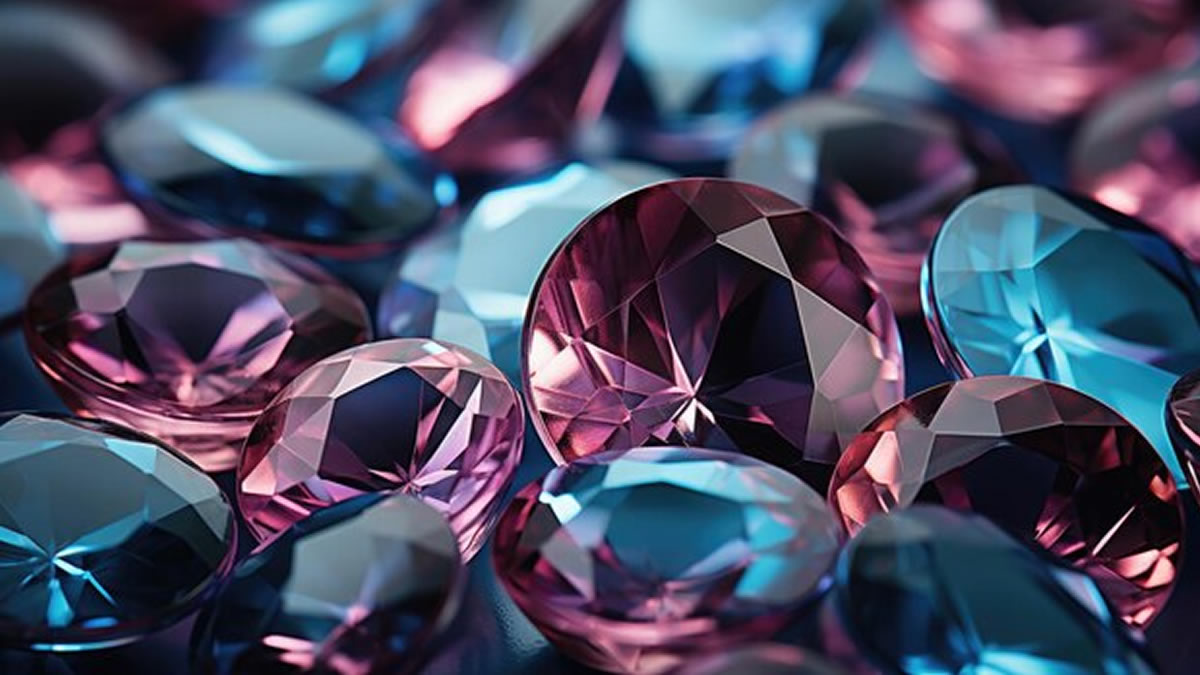
3. Alexandrite: The Rare “Chameleon” Gem of Royalty & Mystery
Alexandrite is the rarest of June’s birthstones—famous for its color change (green in daylight, red in incandescent light), making it a collector’s favorite.
Key Traits
- Formation: A variety of chrysoberyl, alexandrite forms in metamorphic rocks with trace amounts of chromium (which causes the color change). It was first discovered in Russia’s Ural Mountains in 1830.
- Color Change: The most valuable alexandrites shift from vivid green (like emerald) in natural/daylight to deep red (like ruby) under warm light (e.g., candlelight or incandescent bulbs). Less rare varieties may shift to purple or orange.
- Rarity: High-quality alexandrite is rarer than diamonds—stones over 1 carat are extremely scarce. Most modern alexandrite comes from Brazil, Sri Lanka, and Tanzania (Russian mines are nearly depleted).
- Hardness: Mohs 8.5 (very durable, second only to diamond and sapphire—great for everyday wear).
Symbolism & History
- Royal Namesake: Named after Tsar Alexander II of Russia (to honor his coming of age in 1834), it became Russia’s national gem. The tsars collected alexandrite jewelry, including a famous 184-carat alexandrite brooch.
- Duality & Balance: Its color change symbolizes balance between opposing forces (day/night, calm/passion)—a metaphor for June’s mix of summer energy and gentle warmth.
- Good Luck: In folklore, alexandrite is called the “stone of good fortune,” believed to bring success and happiness to its wearer.
Buying & Care Tips
- What to Look For:
- Color Change Intensity: The more distinct the shift (green to red, not green to purple), the more valuable. Test it under both daylight and warm light to check.
- Clarity: Eye-clean stones (no visible inclusions) are best—inclusions can dull the color change.
- Carat Weight: Most alexandrites are under 1 carat; stones over 2 carats are investment pieces (prices can exceed $50,000 per carat for top quality).
- Care:
- Durable enough for daily wear, but avoid harsh chemicals (can damage metal settings).
- Clean with warm soapy water and a soft cloth; ultrasonic cleaners are safe (due to its high hardness).
- Store in a jewelry box—its hardness means it won’t scratch easily, but it can scratch softer gems.
Modern Trends
- Statement Jewelry: Alexandrite cocktail rings (with a central alexandrite surrounded by diamonds) are popular for formal events—their color change becomes a conversation starter.
- Investment Pieces: Collectors seek alexandrite earrings or pendants as heirlooms, as their rarity ensures value growth over time.
- Minimalist Luxury: Small alexandrite solitaire rings (0.25–0.5 carat) offer understated elegance for everyday wear, perfect for those who want a unique alternative to diamonds.
Why Three Birthstones for June?
June’s trio of birthstones reflects the month’s versatility: pearls for classic elegance, moonstone for ethereal charm, and alexandrite for rare luxury. Whether you prefer the softness of a pearl necklace, the glow of a moonstone ring, or the drama of an alexandrite pendant, each gem captures June’s essence—warmth, romance, and the magic of summer’s start. For June babies, these stones aren’t just accessories—they’re a celebration of their birth month’s unique spirit.

71 Pilgrim Avenue
Chevy Chase,
MD 20815


 Earrings
 Men’s
Men’s Necklaces
 Rings
Rings Engagement Rings
 Wedding Rings
 Accessories
Thank you for your feedback! We will continue to work hard!